Mārama
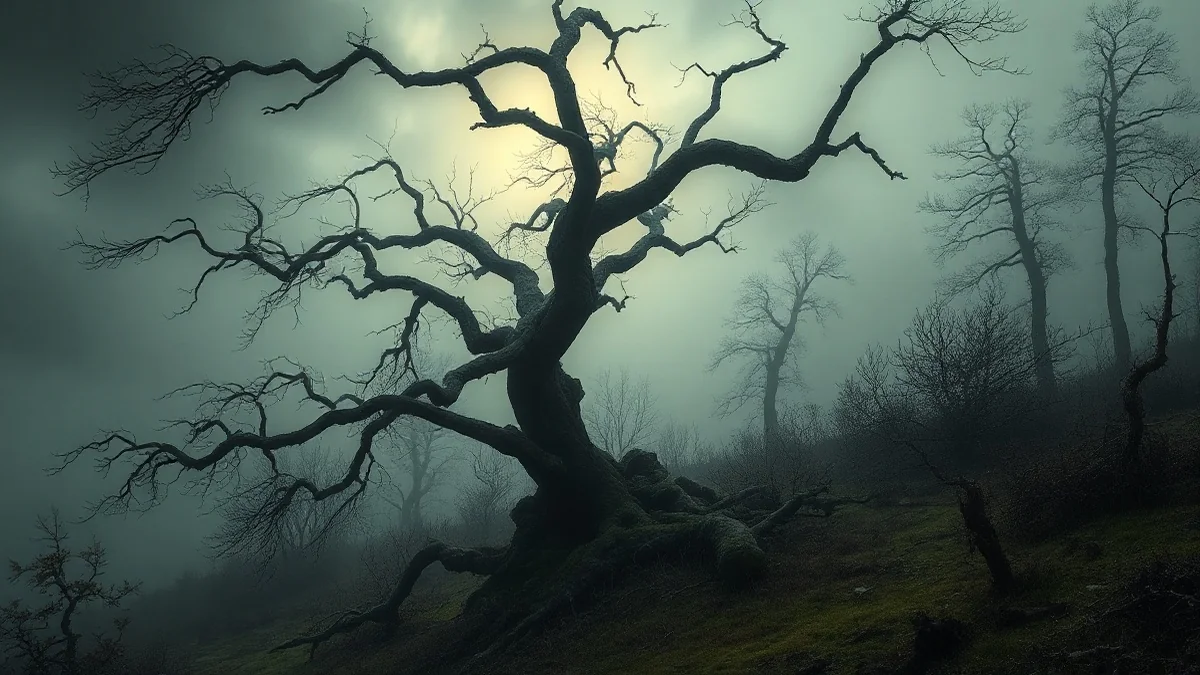
“Mārama,” directed and written by Toa Stappard, is a grimly atmospheric horror drama that delves into the unsettling depths of colonial guilt and retribution. Set in 1859, it follows a young Māori woman named Mary who travels from New Zealand to North Yorkshire with a mission: to confront Nathaniel Cole, an Englishman responsible for devastating her family.
The film is a tight 89 minutes of gothic suspense, mixing elements of folk horror and psychological terror with a sharp edge of historical drama. Stappard’s direction expertly navigates the eerie atmosphere of both settings—the lush New Zealand landscapes and the somber manor houses of England—creating a stark contrast that underscores the cultural clash at its core.
Ariāna Osborne, in her leading role as Mary, brings an understated intensity to the screen. Her performance is restrained but powerful, capturing the quiet determination and simmering anger beneath Mary’s composed exterior. This emotional depth makes for a compelling central character who commands attention throughout the film.
Toby Stephens portrays Nathaniel Cole with a chilling blend of arrogance and fear, making him a formidable antagonist. His character’s past actions are shrouded in mystery until they come to light through flashbacks and gradually unraveling secrets. These revelations provide the film’s haunting climax, where Mary confronts her horrific colonial heritage head-on.
The supporting cast is equally strong. Umi Myers as Peggy adds depth to the narrative with a subtle yet effective performance that hints at hidden knowledge. Erroll Shand’s Jack Fenton, while quieter in his impact, offers crucial support and context to the unfolding events. Jordan Mooney’s portrayal of Arthur Cole, Nathaniel’s son, provides an intriguing subplot that adds layers to the family dynamics.
Visually, “Mārama” is a feast for horror enthusiasts who appreciate atmospheric tension over jump scares. Cinematographer Gin Loane captures the stark contrasts between New Zealand and England with a painterly touch, using shadows and light to enhance the gothic mood. The film’s score by Karl Sölve Steven and Rob Thorne contributes significantly to this atmosphere, creating an ominous undercurrent that amplifies the tension.
The narrative itself is both haunting and deeply rooted in historical trauma. While some viewers might find the pacing a bit slow for their taste, it allows for a more nuanced exploration of themes like colonialism and revenge. This deliberate pace can be appreciated by those who enjoy films that don’t shy away from complex storytelling and character development.
In summary, “Mārama” is a compelling blend of horror and drama that expertly handles its weighty subject matter with grace and intensity. It’s not just another entry in the endless sea of horror fare; it offers a thoughtful and emotionally resonant story that lingers long after the credits roll. This film stands out as an essential watch for fans of historical horror and those interested in how the genre can address real-world issues through fiction.
This article was generated by an AI system and reviewed by our editorial process.