Saccharine
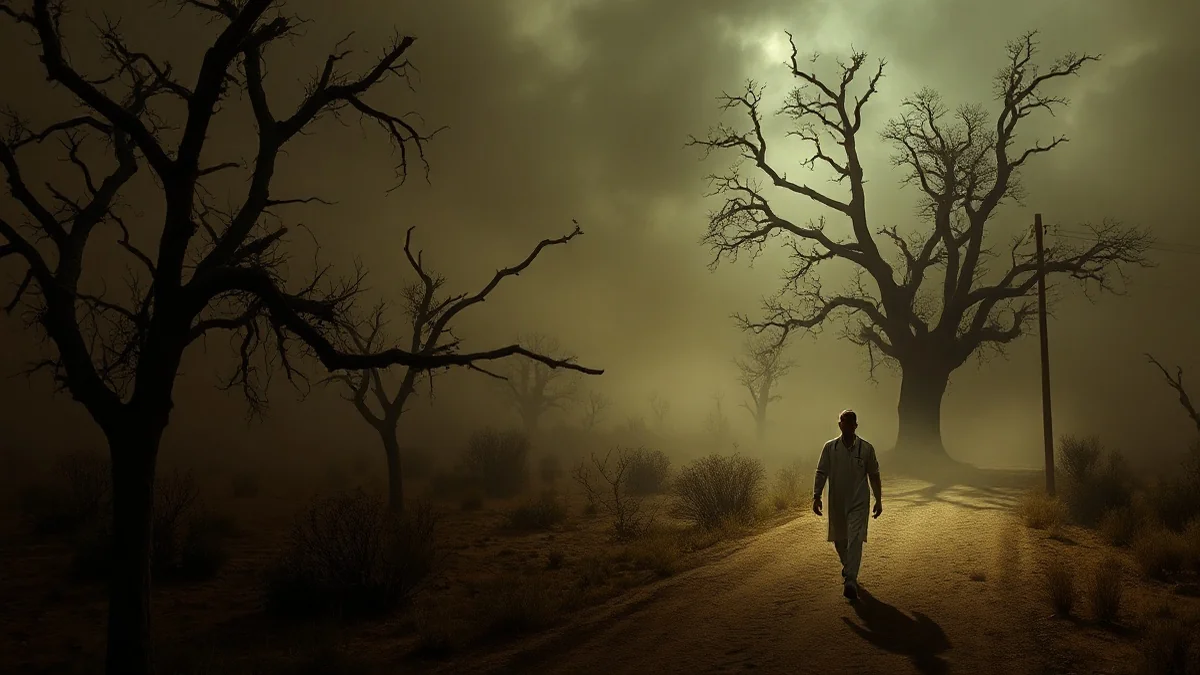
“Saccharine” is an Australian-Finnish-American co-production that dives headfirst into the murky waters of body horror and psychological terror. Directed by Natalie Erika James, this 113-minute film follows Hana (played by Midori Francis), a lovelorn medical student who succumbs to an obscure weight-loss craze involving the consumption of human ashes. As you might expect from such a bizarre premise, things take a decidedly supernatural turn as Hana is haunted by the ghostly presence of the person whose remains she’s ingested.
The film opens with a blend of contemporary realism and creeping dread, setting the stage for what’s to come. Hana, portrayed with convincing vulnerability by Francis, navigates through her academic life and personal struggles, until she finds herself drawn into an underground weight-loss program that promises extreme results at an unfathomable cost. The cinematography, courtesy of Charlie Sarroff, captures both the stark reality of Hana’s world and the ethereal presence of the ghost that haunts her.
The supporting cast is equally compelling, with Danielle Macdonald as Josie and Madeleine Madden as Alanya providing solid performances that anchor the narrative around Francis. The interplay between these characters creates a believable friendship dynamic, adding depth to what could otherwise be a simplistic horror setup. Robert Taylor’s portrayal of Travis brings an intriguing element of romantic tension to Hana’s life, while Lisa Crittenden and Lucy Goleby offer nuanced supporting roles.
“Saccharine” excels in its atmospheric horror and subtle suspense. The film builds its eerie vibe through clever use of sound design and cinematography that emphasizes the psychological toll on Hana. Hannah Peel’s original score perfectly complements these elements, adding a layer of tension that keeps you on edge throughout.
While “Saccharine” manages to be both unsettling and thought-provoking, it doesn’t shy away from moments of outright horror. The creature effects are well-executed, particularly the ghostly apparitions that manifest as Hana consumes more ashes. These sequences are genuinely creepy and add a visceral element to the film’s psychological underpinnings.
The production design by Alice Lanagan and set decoration by Alexandra McCloud-Gibson contribute significantly to the overall mood of the film. The environments feel lived-in yet unsettling, creating a sense that the supernatural elements could arise from any dark corner. Costume designer Steph Hooke also deserves praise for crafting looks that blend seamlessly with the contemporary setting while still conveying a sense of otherworldliness.
One potential criticism is the pacing. While the runtime of 113 minutes allows for sufficient exploration of its themes and character development, there are moments where the narrative could benefit from tightening up to maintain a more consistent intensity. However, this minor issue doesn’t detract significantly from the overall experience.
“Saccharine” stands out as an intriguing entry in the body horror subgenre. It combines psychological tension with supernatural elements effectively, creating a film that is both visually striking and emotionally resonant. For fans of films like “The Babadook” or “Hereditary,” this should be right up your alley. Natalie Erika James has crafted a haunting tale that lingers long after the credits roll.
In conclusion, “Saccharine” is a worthy addition to the contemporary horror landscape. It expertly blends psychological terror with supernatural elements, offering a unique take on body horror. Midori Francis delivers a standout performance as Hana, and the supporting cast adds depth to an already compelling story. With strong visuals and a haunting atmosphere, this film will undoubtedly appeal to fans of the genre.
This article was generated by an AI system and reviewed by our editorial process.