The Holy Boy
“The Holy Boy” (original Italian title: “La valle dei sorrisi”) is a psychological horror that blends drama with an unsettling exploration of faith and healing. Directed by Paolo Strippoli and co-written with Jacopo del Giudice, Milo Tissone, and Stefano Sardo, the film delves into the dark underbelly of a seemingly tranquil mountain village.
The story centers around Michele Riondino’s character Sergio Rossetti, a PE teacher who moves to an isolated village that appears to be idyllic. However, as he becomes more entrenched in the community, he uncovers a disturbing ritual. Every week, the locals are relieved of their pain through the embrace of a boy born with supernatural healing abilities.
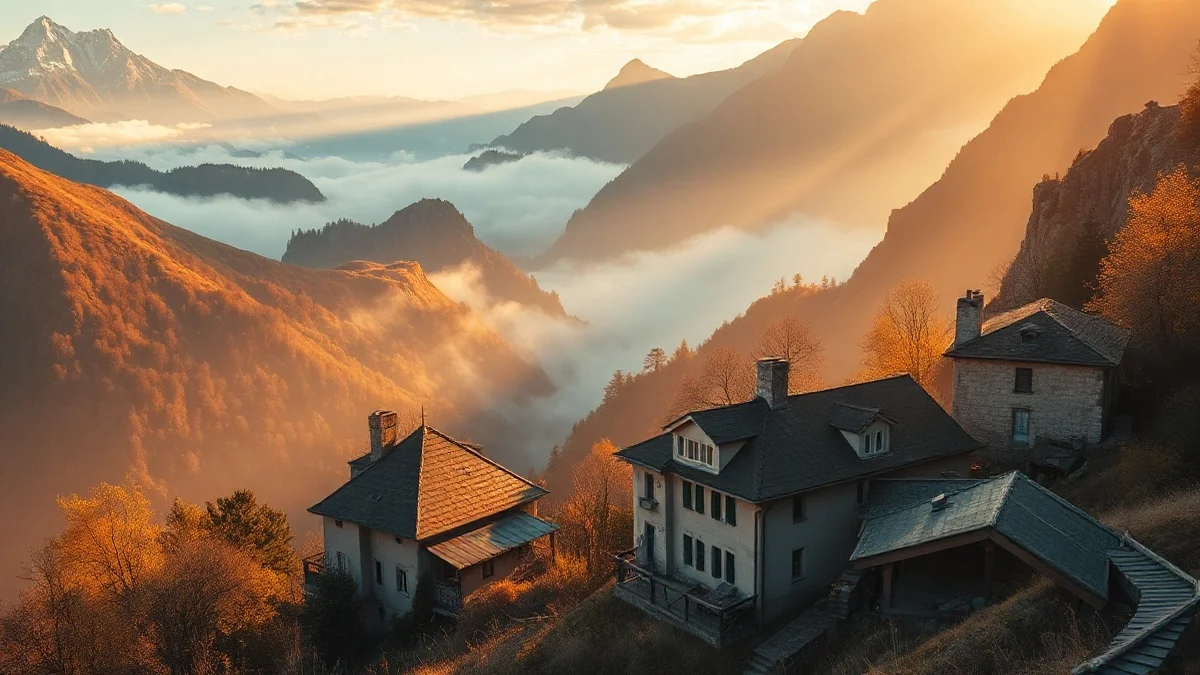
The premise alone is ripe for a slow burn horror experience, and Strippoli does not disappoint. He crafts an atmosphere that is eerily serene on the surface but festers with underlying tension. The cinematography by Cristiano Di Nicola captures the village’s tranquil beauty, which serves to heighten the sense of dread when things turn sinister.
Michele Riondino’s performance as Sergio Rossetti is solid, portraying a man who becomes increasingly entangled in the village’s mysterious practices. His character arc is compelling, shifting from an outsider to someone deeply invested in the community’s bizarre customs. The supporting cast, including Giulio Feltri and Paolo Pierobon, bring depth to their roles, contributing to the film’s eerie ambiance.
The real standout of “The Holy Boy” lies in its exploration of themes such as faith, sacrifice, and the price of healing. The narrative delves into the dark side of human nature, questioning the cost one is willing to pay for relief from pain—both physical and emotional. This theme is particularly potent given the backdrop of a remote village where secrets can be easily hidden.
The film’s runtime of 122 minutes allows ample time for character development and tension-building, though it occasionally feels like it could have benefited from tighter pacing in certain scenes. The dialogue at times veers into somewhat clichéd territory, but Strippoli manages to keep the narrative engaging through effective use of cinematography and a haunting score by Federico Bisozzi and Davide Tomat.
Production design plays a significant role in setting the tone. Marcello Di Carlo’s production design captures the village’s quaint charm, which is juxtaposed with the unsettling rituals that take place there. The costume and makeup designs, overseen by Susanna Mastroianni and Valentina Tomljanović respectively, add to the overall sense of unease.
While “The Holy Boy” doesn’t break new ground in terms of genre tropes, it does a commendable job of weaving together its various narrative threads. The film’s exploration of complex themes keeps viewers on edge, making it a worthwhile entry into psychological horror. With a 6.971 average rating from critics and audiences alike, “The Holy Boy” delivers a memorable viewing experience that will stick with you long after the credits roll.
In conclusion, “La valle dei sorrisi,” or “The Holy Boy,” is an atmospheric and thought-provoking horror film that successfully blends drama and suspense. Its themes of sacrifice and redemption are explored in a compelling manner, making it a must-watch for fans of psychological thrillers.
This article was generated by an AI system and reviewed by our editorial process.